
Cleaning Business Lead Software That Books Jobs
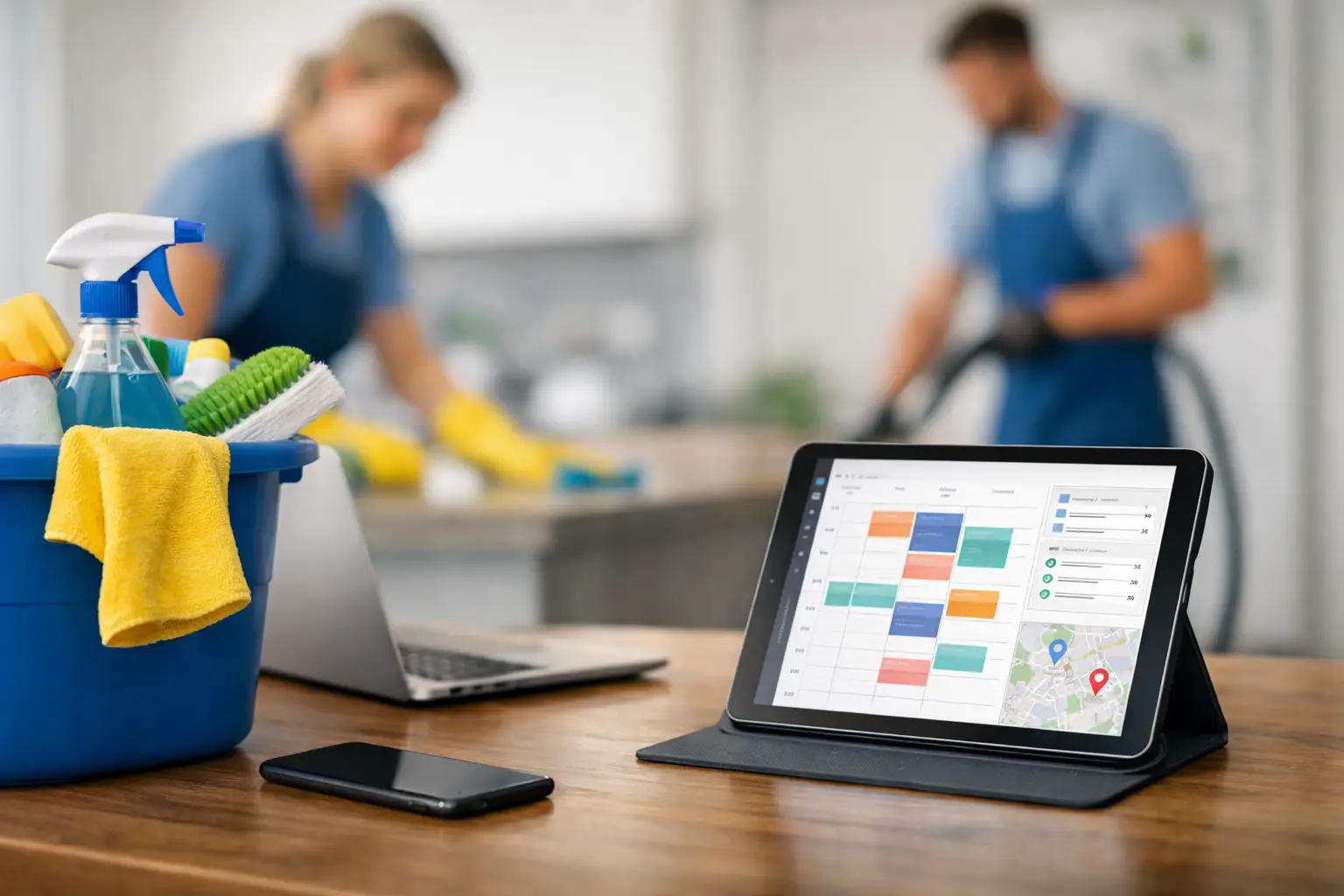
A missed cleaning lead usually does not look dramatic. It looks like a text you meant to answer after a job, a voicemail buried under spam calls, or a marketplace message that sat too long while another cleaner replied first. That is exactly why cleaning business lead software matters. It is not about adding more tech to your day. It is about catching the jobs you are already paying for or already earning.
For solo cleaners and small teams, lead management is usually the real bottleneck. Not the quality of your work. Not even demand. The problem is response time, follow-up, and keeping every inquiry in one place while you are on the move. If you are switching between Thumbtack, Angi, Yelp, phone calls, text messages, Facebook messages, and a basic contact form, leads fall through the cracks fast.
What cleaning business lead software should actually do
A lot of software sounds good in a demo and becomes one more thing to maintain. For a small cleaning business, the right system should do three simple jobs well.
First, it should collect leads from everywhere you already get them. That includes calls, texts, web forms, marketplace leads, and direct messages if those matter in your business. If your software only handles one channel, you are still stuck checking five others.
Second, it should help you reply fast. Speed matters more than most owners think. In home services, customers often contact multiple businesses at once. The first clear response usually gets the conversation. That does not always mean the first company gets the job, but it does mean they get a real chance to quote it.
Third, it should move leads toward a booking instead of just storing contact information. A lead inbox is useful. A lead inbox that replies, qualifies the customer, and gets the job onto your calendar is where the money is.
The real cost of slow lead response
If you buy leads from marketplaces, slow response gets expensive quickly. You can pay for the lead and still lose it before you even start a conversation. Even with referrals or Google searches, the customer may move on if they do not hear back soon.
This is where a lot of cleaning owners get frustrated. They are working all day, doing estimates in between, and trying to answer messages at night. The problem is not effort. The problem is that manual follow-up does not scale when you are in the field.
Good cleaning business lead software reduces that pressure. It gives you a way to respond while you are cleaning, driving, or with a customer. Sometimes that means an instant text reply. Sometimes it means AI answering a call when you cannot pick up. Sometimes it means sending the customer a booking option right away instead of playing phone tag for two days.
Features that matter most for small cleaning companies
Not every feature deserves your attention. If you run a small operation, the useful features are the ones that remove admin work and help you book faster.
A unified inbox is usually the first big win. When calls, texts, and lead messages live in one place, you stop guessing where the last conversation happened. That alone can save jobs.
Automatic replies are another big one, especially for after-hours leads. A fast first response can reassure the customer that you are available and set expectations for next steps. The best version is not a generic auto-reply that feels cold. It should sound like a real business response and gather enough information to move the lead forward.
Call handling matters more than many cleaners expect. Plenty of customers still prefer to call, especially for move-out cleans, recurring service, or urgent requests. If you miss the call, you need a backup that can answer, collect details, and help book without making the customer repeat everything later.
Calendar booking is where software starts paying for itself. If a lead can go from inquiry to confirmed appointment without back-and-forth texting, you save time and close more jobs. That matters even more if you are a solo operator.
Reporting also helps, but only if it is simple. You do not need a wall of charts. You need to know which lead sources bring real jobs, how fast you are responding, and where leads are getting stuck.
Where many tools fall short
A lot of lead software is built for bigger teams with office staff. That means too many settings, too many steps, and too much setup. Small cleaning businesses do not need a complicated CRM with a six-week onboarding process. They need something they can start using this week.
Another common problem is language. Many platforms assume the business owner is comfortable running everything in English. That is a bad fit for a large number of cleaning pros in the US who are Spanish-first or switch between Spanish and English throughout the day. If the dashboard, messages, and phone tools are English-only, adoption drops fast.
There is also the website problem. Many software companies assume you already have a proper website and forms set up. Plenty of small operators do not, and many do not need a traditional website right away. They need a simple public page they can share on Google, social media, text, and printed materials so customers have somewhere to go.
How to choose cleaning business lead software
Start with your current lead flow, not a feature checklist. Ask yourself where leads come from today, how quickly you answer, and what gets missed most often. If most of your jobs come from calls and text, your software should be strong there first. If you rely heavily on marketplaces, speed-to-lead and inbox consolidation matter most.
Then look at ease of use. If a platform needs a desktop setup, long training, or constant adjusting, be careful. Field businesses need mobile-first tools. If you can text, you should be able to use it.
Support also matters more than people realize. Small business owners do not have time to read long help docs. Short, personalized setup help can make the difference between using the system daily and abandoning it after a week.
Finally, think about whether the software helps create demand or only organizes it. Some tools only manage incoming leads. Others also give you a public profile, a directory presence, or an easier way to capture leads from flyers, business cards, and local marketing. That can be a practical advantage if you are still building your business.
What a better setup looks like in practice
A strong setup for a cleaning company is simple. Every lead source feeds into one inbox. New inquiries get a fast first response. Calls get answered or backed up automatically. Qualified leads get booked without endless follow-up. The owner can check everything from a phone between jobs.
That is the difference between being busy and being organized. Busy can still mean missed revenue. Organized means your marketing actually has a better chance to turn into booked work.
For example, if someone finds your business on Google, scans a QR code from a flyer, or messages after seeing a social post, they should land in the same system you use for marketplace leads and direct calls. That creates consistency. You stop treating every lead source like a separate part-time job.
This is one reason platforms like GigConvert are getting attention from small service businesses. The focus is not on giving you more software to manage. The focus is on helping you catch every lead, reply in English or Spanish, and get to booked jobs faster without needing a full website or a complicated office setup.
Is it worth paying for lead software?
Usually, yes, if it saves even a small number of jobs each month. For a cleaning business, one extra recurring customer or a few one-time deep cleans can easily cover the cost. The bigger question is whether the software is simple enough that you will actually use it.
Free tools can work at first, especially when volume is low. But once leads start coming from multiple places, free often means fragmented. You save money on software and lose money on response time.
That said, not every business needs the same setup. A solo cleaner with mostly referral work may only need basic lead capture and a cleaner way to handle calls and texts. A growing team buying leads from several marketplaces may need instant replies, AI call answering, and tighter booking workflows. It depends on your volume, your lead sources, and how much follow-up you can realistically do yourself.
The best cleaning business lead software is not the one with the longest feature list. It is the one that helps you answer faster, stay organized, and book more jobs without adding stress to your day. If a tool can do that in a way that feels easy on your phone, clear in your language, and useful from day one, it is not just software. It is part of how you grow without burning out.
A good next step is simple: look at the last ten leads you got and ask how many would have moved faster with one inbox, instant replies, and easier booking. That answer will tell you more than any product demo.