
Lead Response Automation Software That Books Jobs
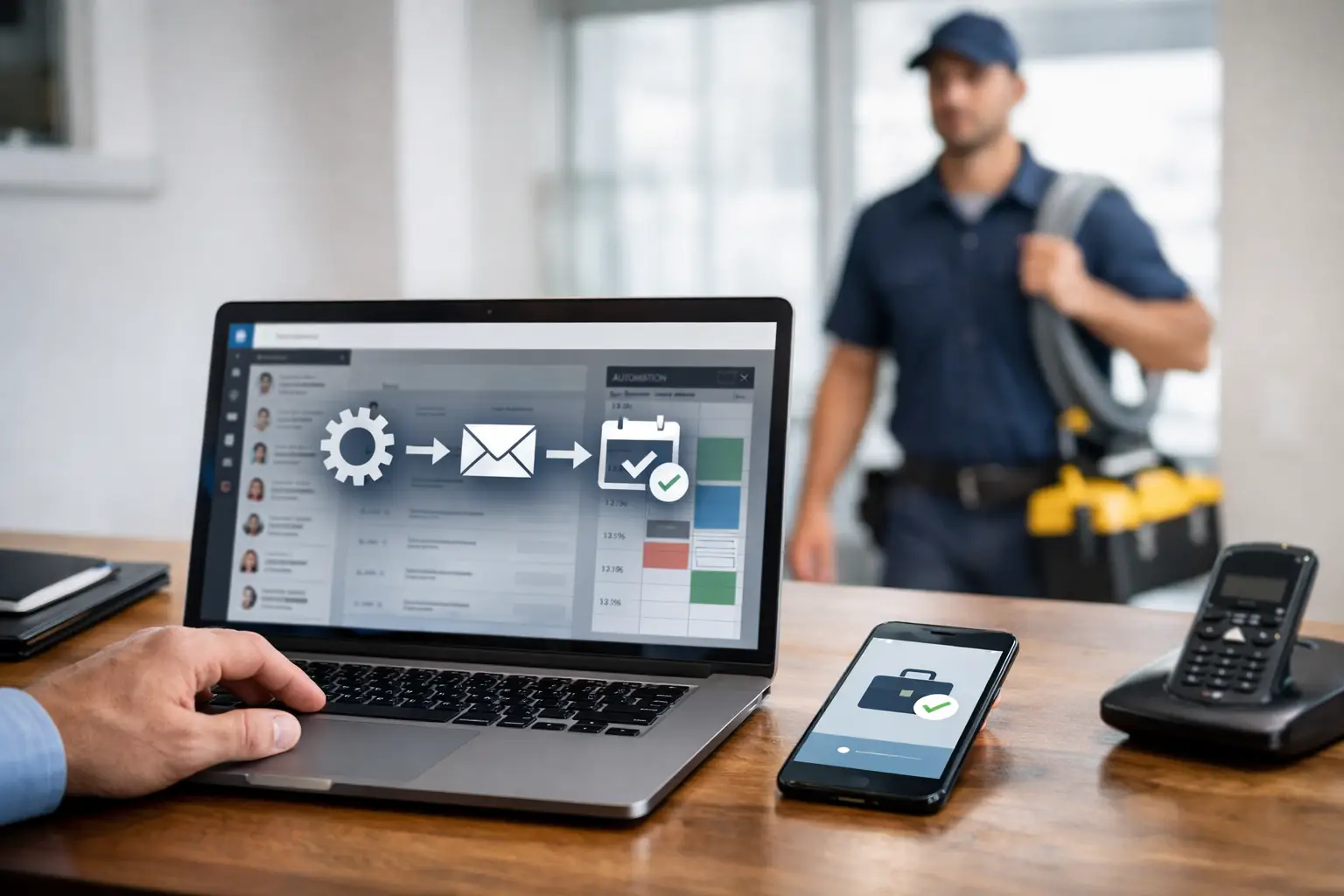
A lead comes in while you're driving, cleaning a house, fixing an AC unit, or finishing a lawn. By the time you stop and reply, that customer has already heard back from two other businesses. That is exactly where lead response automation software earns its keep. It closes the gap between interest and response, which is often the difference between getting the job and losing it.
For solo operators and small home service teams, this is not about fancy tech. It is about speed, consistency, and staying organized when your phone is buzzing from five places at once. If you rely on Thumbtack, Angi, Yelp, Google leads, phone calls, texts, and web forms, you already know the problem. Leads do not wait for you to finish the job you are on.
What lead response automation software actually does
At a basic level, lead response automation software sends an immediate reply when a new lead comes in. That reply can confirm the request, ask a few qualifying questions, and move the customer toward a call or booking. Better systems also keep all conversations in one place, so you are not jumping between apps trying to remember who asked for deep cleaning and who wanted a same-day estimate.
For a home service business, that matters more than extra features on a sales page. The real job of the software is simple - help you answer faster, follow up without forgetting, and turn interest into scheduled work.
Some tools stop at auto-replies. Others go further and answer inbound calls, summarize conversations, route messages, and book directly onto your calendar. Whether you need all of that depends on how many leads you get, how fast you grow, and how much of the admin work still lives in your head.
Why fast response beats almost everything else
Most small operators think they have a lead problem when they really have a response-time problem. You may already be paying for enough opportunities. The issue is that leads come in during work hours, and work hours are exactly when you are least available.
The first business to respond usually has the best shot at the booking, especially for cleaning, plumbing, electrical, HVAC, and other local services where customers want help quickly. They are not looking to study your process. They want to know three things fast: can you do the job, when are you available, and what happens next?
That is why automation works. It gives every lead an immediate answer, even when you are on a ladder or inside a customer home. A quick reply buys you time and keeps the customer engaged until you can step in personally.
It also helps with consistency. When you are busy, your responses can get short, delayed, or missed entirely. Automation makes sure the first touchpoint is professional every time.
The features that matter for home service businesses
Not all software is built for how local service pros actually work. If you are mostly on your phone and in the field, you need something practical.
A shared inbox across phone, SMS, marketplace leads, and web forms is one of the biggest upgrades because it cuts down the chaos. Instead of checking different apps, you can see what came in, who replied, and what still needs follow-up.
Instant replies are next. They should feel human, not robotic, and they should move the conversation forward. A message like "Thanks for reaching out. What type of cleaning do you need, what is your zip code, and when would you like service?" is a lot more useful than a generic "We got your message."
Call handling matters too. Many service leads still come in by phone, and missed calls are expensive. If software can answer, collect basic job details, and send you a summary, that saves real time.
Calendar booking can also be a big win, but only if your schedule is stable enough for it. For some solo businesses, direct booking works great. For others, especially those quoting custom jobs, it makes more sense to use automation to qualify the lead first and book after a quick review.
If your customer base includes Spanish-speaking households, bilingual messaging and voice support are not a bonus feature. They are essential. English-only automation creates friction right at the moment you are trying to build trust.
What good automation sounds like
The goal is not to pretend a robot is a person. The goal is to make it easy for the customer to keep moving.
A good automated response sounds clear and helpful. It confirms receipt, asks the right next question, and sets expectations. It should match how a real local business talks, not how enterprise software talks.
For example, a cleaning company might ask for home size, service type, and preferred day. A plumber might ask what issue the customer is having and whether it is urgent. An HVAC business may ask about the system problem and availability for a technician visit. Different trades need different intake questions.
This is where many tools fall short. They automate the reply but not the workflow. If the message does not help qualify the job, you still end up doing cleanup work later.
Where lead response automation software can go wrong
Automation is useful, but it is not magic. There are trade-offs.
If responses feel canned, customers can lose confidence. If the software asks too many questions up front, people may stop replying. If it books jobs without enough guardrails, you can end up with a messy calendar and the wrong expectations.
There is also the setup problem. A lot of small business software assumes you have time to learn a system, build workflows, and test every message. Most solo operators do not. If setup is too technical, the tool will sit unused no matter how good it looked in the demo.
That is why simple beats feature-heavy for many local businesses. You do not need a complicated automation map. You need something you can start using fast and trust while you are on the move.
How to choose the right lead response automation software
Start with your actual lead sources. If most of your opportunities come from marketplaces, make sure the software handles those well. If you live on text and phone, prioritize mobile use and call handling. If web forms matter less than missed calls, buy for that reality.
Then look at response flow. Can the tool send an instant reply, collect key details, and keep the conversation in one thread? Can you jump in easily when needed? Does it help you follow up after the first message instead of letting leads go cold?
Next, consider language support. For many home service businesses, bilingual communication is directly tied to conversion. If your customers or team work in Spanish, the software should too. The same goes for onboarding. If setup help is confusing or only available in written English, adoption will suffer.
Finally, ask a basic question: will this save time this week, not someday? That usually points you toward software that is easier to use, easier to launch, and built around getting back to leads quickly.
What this looks like in the field
Say you run a small cleaning business. A lead comes in from a directory listing at 10:12 a.m. while you are on-site. The system replies in seconds, asks for the number of bedrooms and bathrooms, confirms the zip code, and offers two time windows for an estimate call. The customer answers before lunch. By the time you finish your current job, you already have the details you need.
That same setup can also catch missed calls, text back new inquiries, and keep your conversations from getting buried. Instead of spending the evening chasing people who contacted you six hours earlier, you are working warm leads who already engaged.
For businesses serving both English- and Spanish-speaking customers, the difference can be even bigger. When a customer gets a fast reply in the language they are most comfortable with, trust starts earlier. That matters.
GigConvert is one example of a tool built around that reality for local service pros, especially small operators who need speed, simple setup, and bilingual communication without adding more admin work.
The real return is not just time
People often buy automation to save time. That is fair, but the bigger return is better conversion. A faster first response can improve how many leads turn into conversations. Better follow-up can improve how many conversations turn into quotes. Cleaner handoff and scheduling can improve how many quotes become booked jobs.
You do not need software that does everything. You need software that protects your most valuable moment - when a customer reaches out and is ready to hire.
If you can answer that moment faster and more consistently, you give yourself a better chance to grow without being glued to your phone every minute of the day. That is the point. The right system should make your business easier to run while helping more leads turn into real work.