
Lead Follow Up System for Cleaners That Books
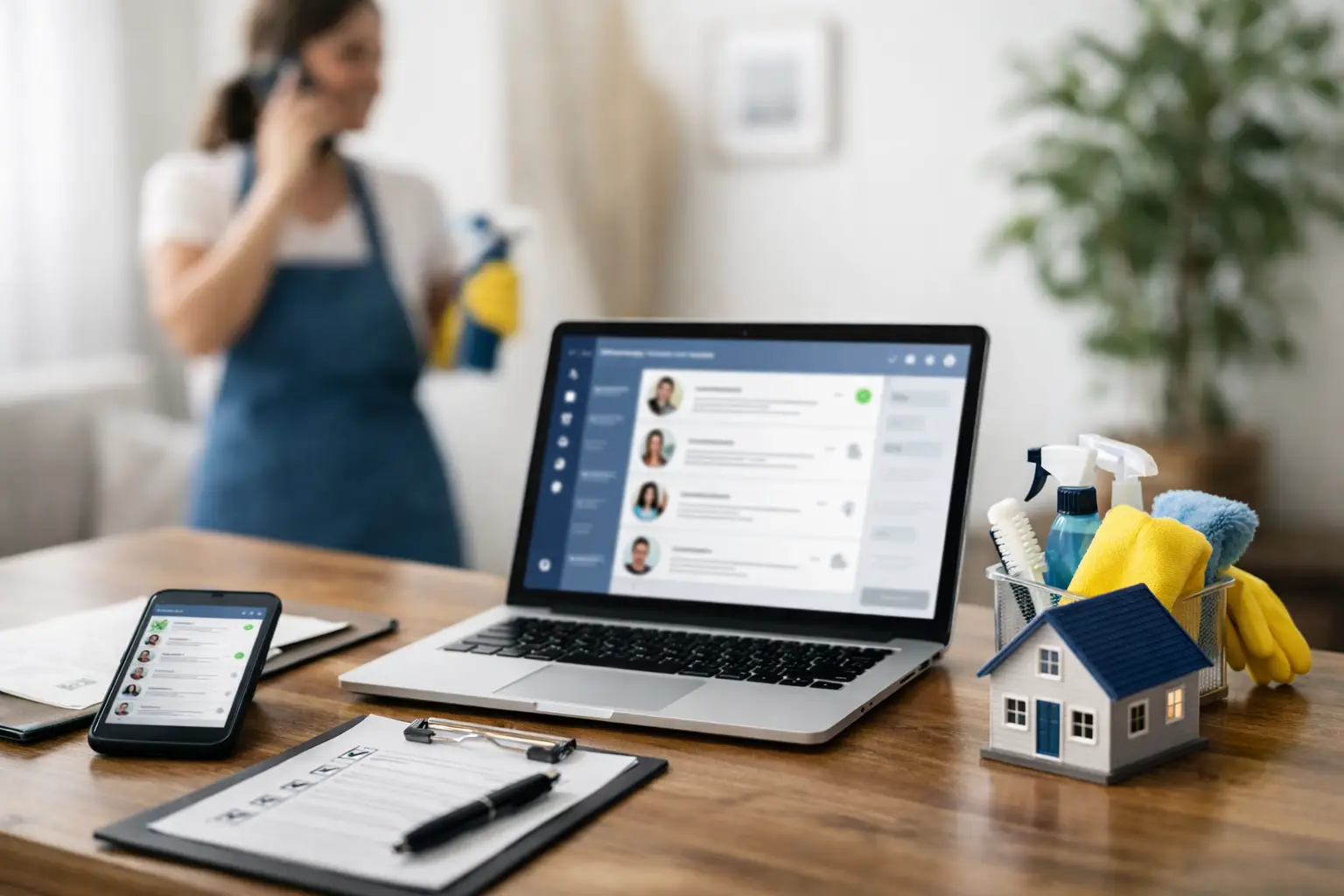
Most cleaning leads do not go cold because the customer changed their mind. They go cold because life got in the way. You were inside a job, your phone was in the van, a Thumbtack message came in, a Yelp lead landed five minutes later, and by the time you replied, the customer had already booked someone else. That is exactly why a lead follow up system for cleaners matters. It is not about fancy software. It is about getting back to people fast enough, often enough, and in the right way so more estimates turn into booked jobs.
If you run a solo cleaning business or a small team, follow-up usually breaks in the same places. Messages come from too many apps. Calls get missed while you are working. You mean to text people back later, but later turns into tomorrow. Then the week gets packed, and the lead is gone. A good system fixes that without adding more admin.
What a lead follow up system for cleaners actually does
A lead follow up system for cleaners should do three simple jobs. First, it should catch every lead in one place, whether it came from a phone call, text, marketplace, social media message, or form. Second, it should help you respond quickly, even if you are cleaning houses and not staring at your phone. Third, it should keep the conversation moving until the customer either books or clearly says no.
That sounds basic, but most small cleaning companies are patching this together with memory, sticky notes, and unread messages. The problem is not effort. The problem is that your process depends on you remembering everything while doing field work.
The best systems are boring in a good way. They make the next step obvious. New lead comes in. The lead gets a fast reply. The customer gets asked the right questions. You send pricing or schedule options. If they do not answer, they get a follow-up. If they book, they move off your active list. Nothing gets lost.
Why cleaners lose leads in the follow-up stage
Most missed revenue does not happen at the marketing stage. It happens between first contact and booked appointment.
A customer messages three cleaning companies at once. The first one to answer usually has the advantage, even if their price is not the lowest. People want a fast answer because they are trying to solve a problem now. If your reply comes hours later, you are no longer helping them decide. You are interrupting a decision they already made.
There is also the language issue. Many operators are Spanish-first, while many customers are English-first. Some software tools still make that awkward. If your system cannot help you communicate clearly in both languages, follow-up slows down right where speed matters most.
Then there is inconsistency. You may be good at replying fast on Mondays and terrible on Fridays. You may follow up well with phone leads but forget web form leads. That uneven process makes your booking rate unpredictable, which makes it harder to grow.
The core pieces of a system that works
You do not need a complicated setup. You need a process you will actually use.
Start with one inbox. If leads are split across your personal texts, email, call log, Facebook messages, and lead apps, you are going to miss people. One inbox creates control. It also makes it easier to see who needs a reply now and who needs a follow-up tomorrow.
Next is speed to lead. For cleaners, this is everything. A first reply within a few minutes is strong. Under a minute is even better. If you cannot physically reply that fast because you are working, then you need an automatic first response that sounds human and keeps the lead warm until you can step in.
After that, your system needs qualification. Not every lead is worth chasing the same way. Ask a few simple questions early: what kind of cleaning, how big is the space, when do they need service, and what city or zip code are they in. This helps you quote faster and avoid long back-and-forth with people outside your service area or budget.
Then comes follow-up timing. Most cleaners stop too early. If someone does not answer your first message, that does not mean they are not interested. They may be at work, handling kids, or waiting to compare options. A second and third follow-up often matter more than the first quote.
Finally, your system needs a booking path. Once someone is ready, there should be no friction. Offer time options, confirm details, and lock the job in. If booking feels slow or confusing, leads stall right before the finish line.
A simple follow-up flow cleaners can use
Here is what practical follow-up looks like in the field.
The moment a new lead comes in, they get a quick reply that acknowledges the request and sets the next step. Something as simple as, thanks for reaching out about cleaning service. I can help. What is the address and how many bed and bath? That message buys time and moves the conversation forward.
Once they answer, you qualify and quote. If the job needs more detail, ask for photos. If it is a standard cleaning, give a clear range or package and offer two available times. Do not leave the lead with an open-ended maybe. Give them a decision to make.
If they do not respond after the quote, follow up the same day or next morning depending on when the lead came in. Keep it short. Just checking in - would you like one of the openings I sent for this week? That works better than sending a long paragraph.
If they still do not reply, send one more follow-up a day or two later. After that, move on unless they re-engage. You want consistency, not endless chasing.
This is where automation helps. A platform like GigConvert can centralize those conversations and send fast AI replies in English and Spanish, which matters when you are in the field and cannot stop every few minutes to answer manually. The key is not automation for its own sake. It is using speed and consistency to book more jobs.
What to automate and what to keep personal
This part depends on your volume. If you get a few leads a week, you may only need help with missed calls and quick first replies. If you get leads daily from multiple channels, automation becomes harder to avoid.
Automate the parts that are repetitive and time-sensitive. First responses, missed call texts, reminder follow-ups, intake questions, and appointment confirmations are good examples. These steps are predictable. They are also the steps most likely to be forgotten when you are busy.
Keep pricing judgment, exception handling, and relationship-building personal. If a customer has a special request, a complaint, or a high-value recurring opportunity, that should feel human. People hire cleaners they trust. Your system should support that, not replace it.
Common mistakes that make follow-up weaker
One common mistake is waiting to respond until you have the perfect answer. A fast partial answer beats a perfect late answer. Another is asking too many questions at once. If your first message feels like paperwork, people stop replying.
Another problem is using different phone numbers and accounts for different lead sources. That makes conversations harder to track and follow up on. It also makes your business look less organized to the customer.
Some cleaners also rely too much on memory. If your follow-up process lives in your head, it will break when you get busy. The point of a system is that it still works on your busiest day.
How to tell if your system is working
You do not need complicated reporting to know whether your lead follow up system for cleaners is healthy. Watch a few numbers.
How fast are you replying to new leads? How many leads are getting at least two follow-up attempts? How many estimates turn into booked jobs? Which lead sources are actually producing revenue, not just conversations?
If your reply time drops and your booking rate improves, the system is doing its job. If you are still missing calls, replying hours later, or losing track of active estimates, the process needs to get tighter.
Build the system around your real day
The best follow-up system is not the one with the most features. It is the one that fits how cleaners actually work. You are mobile. You are often on a job. You do not have time to babysit software. So your system should be simple, phone-friendly, fast, and easy to use in both English and Spanish if needed.
If you can text, you can run a strong follow-up process. That is the standard to aim for. Start with one inbox, quick replies, a short qualification flow, and consistent follow-ups. Then tighten the gaps that are costing you jobs. Every lead you answer faster is a customer who does not have time to keep shopping around.