
Best Business Phone Number for Cleaners
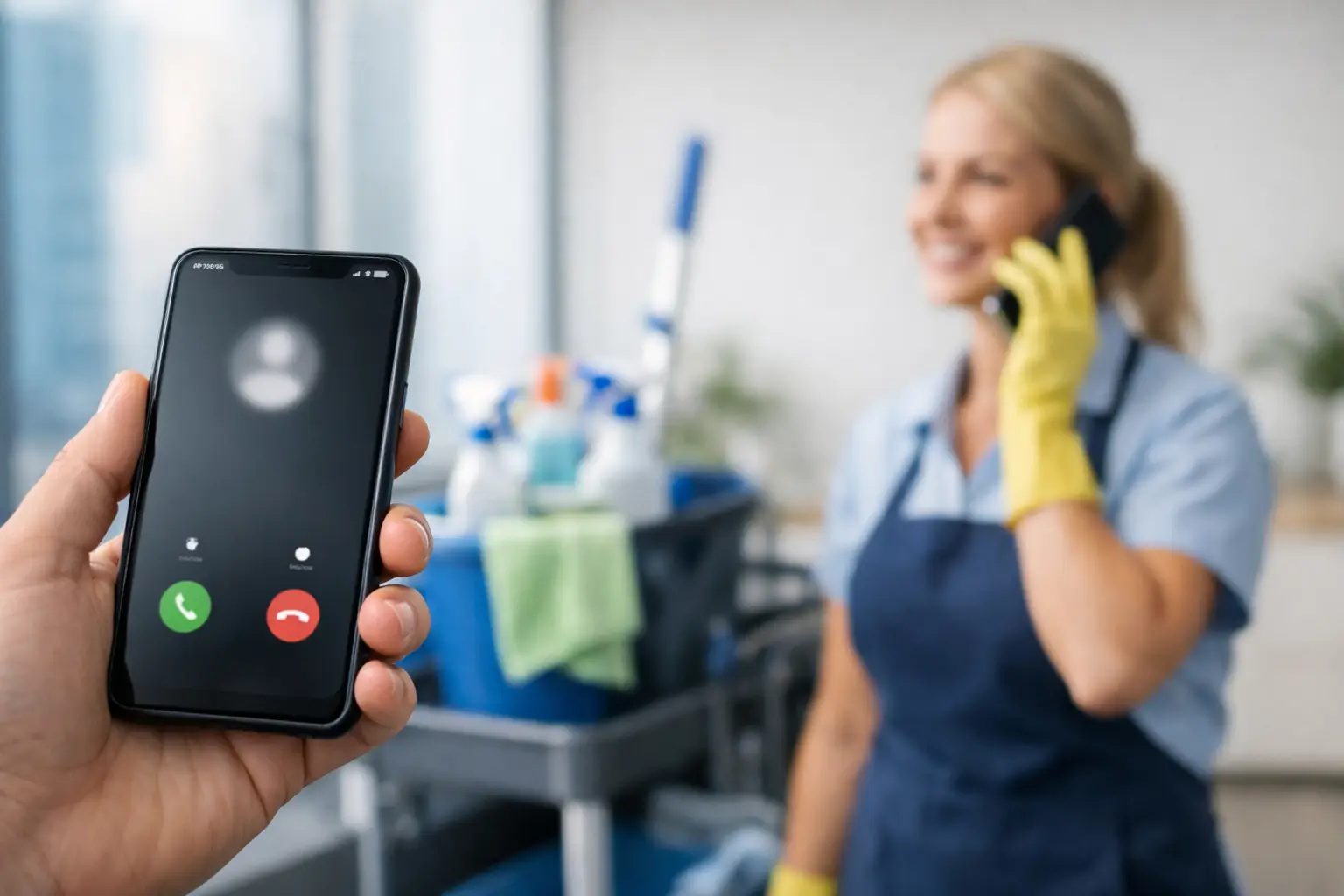
A missed call at 10:14 a.m. can easily turn into a lost weekly client by 10:20. That is why a business phone number for cleaners is not a small detail. It is one of the simplest ways to look more professional, respond faster, and stop mixing customer calls with your personal life.
For solo cleaners and small teams, the phone number you use affects more than appearances. It changes how you handle estimates, follow-ups, review requests, repeat bookings, and after-hours calls. If your current setup is just your personal cell, it probably works - until it starts costing you jobs.
Why a separate business phone number for cleaners matters
When customers call a cleaning company, they want a quick answer and a clear next step. They are usually comparing a few options at once. If they reach voicemail, get no reply, or feel unsure whether they contacted a real business, they move on.
A separate number helps in three practical ways. First, it makes your business look established, even if you are a one-person operation. Second, it keeps work calls and texts separate from family messages, which matters when leads come in during evenings or weekends. Third, it gives you a cleaner record of customer conversations, which helps with booking, rescheduling, and tracking who actually came from an ad, flyer, or directory listing.
There is also a basic trust factor. Customers are more comfortable calling or texting a business when the communication feels organized. That does not mean you need a call center. It just means your phone setup should match the way you want your company to be perceived.
What kind of business phone number should cleaners use?
Most cleaning businesses have three realistic options: use a personal cell, get a second mobile line, or use a business phone system that handles calls and texts through an app or platform. The right choice depends on how many leads you get and how quickly you need to respond.
Option 1: Your personal cell number
This is where many cleaners start, and that is understandable. It is free, easy, and already in your pocket. If you are just getting your first few clients, it may be enough for a while.
The problem shows up once the business gets busy. Personal and work messages get mixed together. You answer customer texts on your day off. You lose track of old conversations. If someone else on your team needs to help with scheduling, everything still lives on one phone. It works, but it does not scale well.
Option 2: A second line for business
A second line is a solid middle ground. It gives you separation without forcing you into a complicated setup. You can put that number on Google, business cards, flyers, and lead marketplace profiles while keeping your personal number private.
This option makes sense for cleaners who still handle most communication themselves but want more control. The trade-off is that it is still heavily dependent on you being available. If you are inside a job, driving, or cleaning a bathroom with gloves on, the call may still go unanswered.
Option 3: A business phone system with call handling
This is the stronger option when lead speed matters. A business phone system can route calls, log messages, send texts, and in some setups even answer common questions or book appointments when you cannot pick up.
For cleaning businesses, this matters because many leads come in while you are actively working. The customer does not care that you are vacuuming a three-bedroom move-out. They just want to know if you serve their area, what type of cleaning you offer, and how soon you can come out.
If your phone system can capture that lead immediately, you have a much better chance of booking the job.
Features that actually help cleaners book more jobs
Not every phone feature matters. Some are nice to have. Some directly affect revenue. Focus on the ones that reduce missed calls and speed up follow-up.
Texting is near the top of the list. Many cleaning customers prefer to text rather than call, especially for quotes, arrival updates, gate codes, and photos. If your business number cannot handle texting well, you are making communication harder than it needs to be.
Voicemail transcription is useful because it lets you quickly scan messages between jobs instead of stopping to listen to each one. Call forwarding helps if you want calls to ring through to your mobile. Auto-replies can buy you time by telling the customer you received their message and will respond shortly.
If you get enough volume, call answering support becomes even more valuable. That can be a live receptionist model or an AI system that answers right away, asks a few questions, and helps move the lead toward a booking. The best setup is the one that catches the lead without creating extra admin work for you.
When a local number matters - and when it doesn’t
A lot of cleaners ask whether they need a local area code. In many cases, yes, a local number helps. Customers tend to trust a local-looking number more, especially in home services. It feels familiar and signals that you actually work in their area.
That said, local area code alone will not fix a weak follow-up process. A local number that nobody answers is still a missed opportunity. If you already have a number customers know, switching just for appearance may not be worth the disruption.
The better question is this: will the number help you answer faster and stay organized? If yes, it is doing its job.
Common mistakes cleaners make with business phone setup
The biggest mistake is waiting too long to separate personal and business communication. It feels easier in the beginning, but it gets messy fast. You end up searching old texts for addresses, missing quote requests, and answering customer calls at times you should be off the clock.
Another mistake is using a number that only handles calls but not texts. Cleaning is a text-heavy business. Customers send short questions, parking instructions, and before-and-after requests. If texting is awkward on your business number, customers will notice.
A third mistake is thinking the number itself is the whole solution. It is not. The real goal is lead capture and response speed. A good number paired with a slow process still loses jobs.
How to choose the right setup for your cleaning business
If you get only a few calls a week, a dedicated second number may be enough. It gives you cleaner boundaries and a more professional presence without much complexity.
If you are getting leads from multiple places like Google, referrals, Yelp, Thumbtack, or Angi, it usually makes sense to use a system that keeps everything in one place. That way your calls, texts, and follow-ups do not live across five different apps and one overworked phone.
If you miss calls because you are on the job, look for a setup that answers for you. That does not mean you need something complicated. It means you need a number that works even when your hands are full.
This is where platforms like GigConvert can fit naturally for small cleaning businesses. Instead of just giving you a business phone number for cleaners, the setup can also handle inbound calls, qualify leads, support English and Spanish communication, and help book jobs faster without requiring you to learn a complicated system. For many solo operators, that is the difference between having a phone number and having a working lead process.
Should you put your business number everywhere?
Mostly, yes. Your business number should be the number customers see on your public profiles, business cards, magnets, flyers, and social media. Consistency matters. If one place shows your personal number, another shows a different line, and a third sends customers to a form you never check, people get confused and leads slip away.
The exception is when you are testing marketing channels and want to track which source is generating calls. In that case, separate numbers can be useful. But for most cleaners, simple beats perfect. One strong business number used consistently is better than a complicated setup you cannot manage.
The real question is not the number
A business phone number helps you look professional, but the bigger issue is what happens after the phone rings. Do leads get answered quickly? Can customers text you easily? Can someone still respond when you are inside a job? Can Spanish-speaking customers communicate comfortably if that is part of your market?
That is what actually moves revenue.
If your current setup makes it easy to miss calls, lose messages, or blur work with personal life, it is time to change it. The right phone number should make the business easier to run, not give you one more thing to manage. Pick the setup that helps you respond fast, stay organized, and keep booking while you are out doing the work.