
AI Auto Reply for Lead Generation That Books
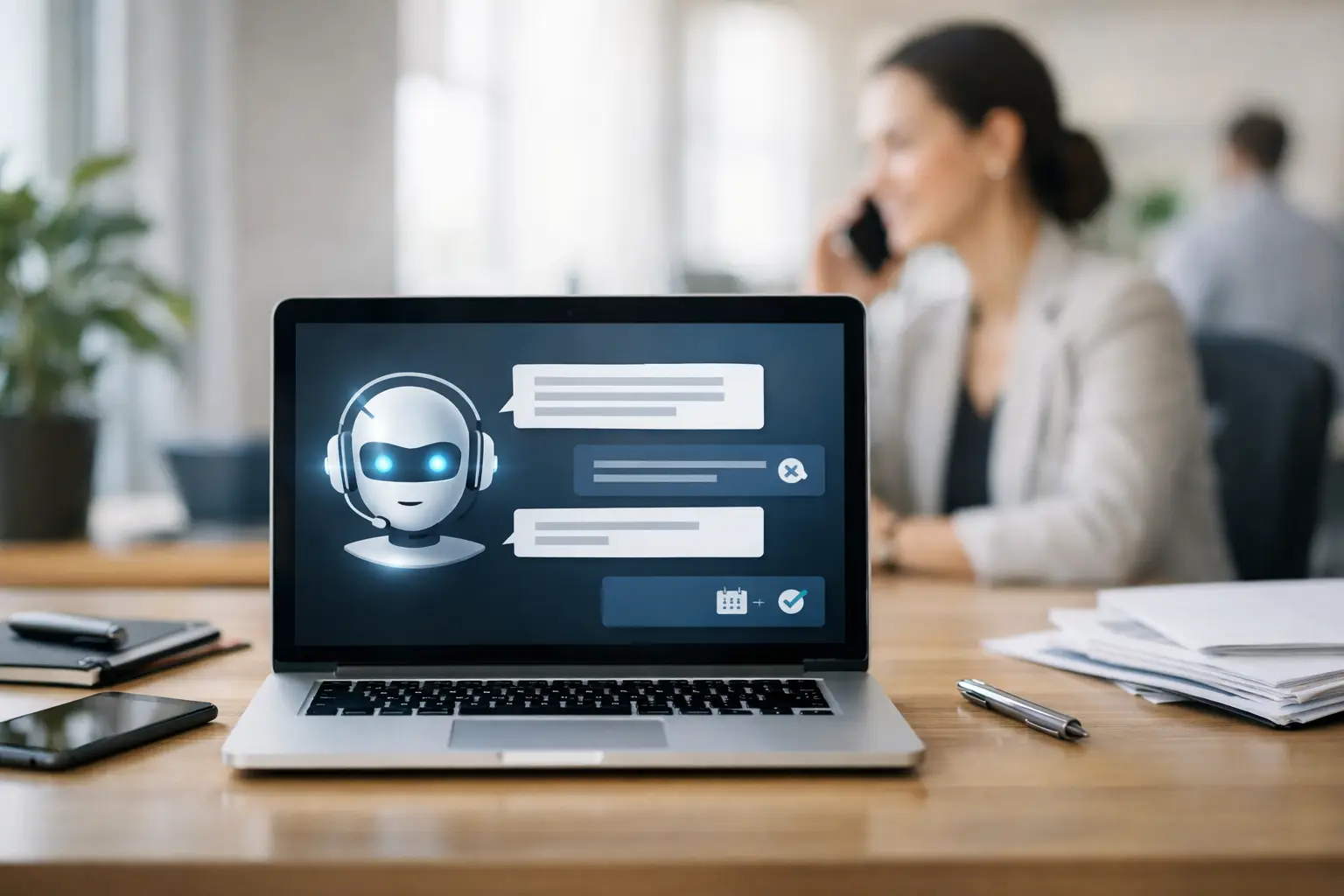
A lead comes in while you're cleaning a house, driving to the next job, or finishing an estimate. By the time you see it, the customer has already messaged two other companies. That is exactly where ai auto reply for lead generation earns its keep - not as a fancy extra, but as a way to stop good jobs from slipping away while you're working.
For solo operators and small home service teams, speed matters more than most people realize. Customers looking for a cleaner, plumber, lawn care pro, or electrician usually are not building a spreadsheet and comparing ten businesses. They want a fast answer, a clear next step, and a sense that someone reliable is on the other side. If your reply takes two hours, the lead often feels cold before you even open it.
What ai auto reply for lead generation actually does
At the simplest level, an AI auto reply sends an immediate response when a new lead comes in. That response can confirm receipt, ask a few qualifying questions, and move the customer toward a booking. Instead of letting a Thumbtack message, Yelp inquiry, text, web form, or missed call sit there untouched, the system answers right away.
That speed changes the conversation. A customer who gets a reply in under a minute is far more likely to keep engaging than one who gets silence. In home services, the first useful response often wins the next step.
Useful is the key word. A bad auto reply sounds robotic and pushes people away. A good one sounds clear, helpful, and human enough that the customer feels taken care of. It does not need to pretend to be a person. It needs to do the job.
Why fast replies matter more than perfect replies
A lot of business owners hesitate because they think every first response has to be custom written. That sounds good in theory, but in real life you are on a ladder, under a sink, in a supply store, or mid-job with gloves on. Waiting until you have time to craft the perfect message usually means replying too late.
The better approach is to let AI handle the first 80 percent. It can say you received the request, ask what service is needed, confirm the location, and collect timing details. Then you step in when the conversation needs pricing, special instructions, or a final booking decision.
This is where ai auto reply for lead generation works best. It buys you time without making the lead feel ignored. It also creates consistency. Every lead gets a prompt first touch, even when your day is packed.
What a good auto reply should include
For local service businesses, the best auto replies are short and practical. They should acknowledge the customer, set expectations, and ask only the next questions needed to move forward.
For example, if someone asks about house cleaning, the reply should not dump a wall of text into their phone. It should ask for the home size, the service type, and the preferred day. If someone calls after hours, the reply should confirm the request was received and offer a simple next step like texting photos, choosing a time window, or confirming the address.
The strongest messages sound like a reliable front desk person, not a chatbot trying too hard. Clear beats clever.
The real business value: qualification, not just speed
Instant replies matter, but speed alone is not enough. If every inquiry gets the same generic response, you still end up doing a lot of back-and-forth later.
That is why qualification matters. A strong system asks the questions that help you decide whether a lead is worth your time. Is it a one-time deep clean or recurring service? Is the property in your service area? Is the customer asking for same-day work? Is this a phone estimate, an on-site quote, or a direct booking opportunity?
When AI collects that upfront, your day gets easier. You spend less time chasing incomplete inquiries and more time talking to people who are actually ready to hire. For small teams, that can be the difference between growth and burnout.
Bilingual replies are not optional for many markets
For many home service businesses, English-only automation is a problem. If your customers speak Spanish, or if you as the operator are Spanish-first, the tool needs to work in both languages without creating extra steps.
This is not just about translation. It is about making the customer feel understood from the first message. It is also about making sure you can operate your business without constantly switching tools, rewriting responses, or relying on someone else to handle communication.
In practical terms, bilingual AI replies help you serve more customers and reduce mistakes. The lead gets a fast answer in the language they are comfortable with, and you get cleaner information back. That makes booking easier and helps smaller operators compete with bigger companies that have office staff.
Where AI auto reply can go wrong
Not every setup helps. Some businesses turn on automation and then wonder why leads stop responding. Usually, the problem is one of three things.
The first is tone. If the message sounds stiff, overly salesy, or unnatural, people lose trust fast. The second is asking too much too soon. If your first reply reads like a long intake form, many customers will stop there. The third is poor handoff. If AI gathers the details but nobody follows up when the customer is ready, the system breaks at the exact moment it should be helping.
There is also a simple truth here: not every lead should be fully automated. Complex jobs, upset customers, unusual requests, and pricing disputes still need a person. AI should reduce admin work, not replace judgment.
How to use ai auto reply for lead generation without making it complicated
The best setup is usually the simplest one. Start with the lead sources you already use most, like website forms, text messages, missed calls, Google leads, or marketplace inquiries. Then build one fast response for each major service type.
For a cleaning business, that might mean one reply flow for standard house cleaning, one for deep cleaning, and one for move-out jobs. For plumbing or HVAC, it might mean one flow for emergency service and one for non-urgent quotes. Keep the questions focused on what helps you book or price the job.
Then decide what should happen next. Maybe the lead gets routed into your inbox with a summary. Maybe the customer is offered the next available time slot. Maybe the AI answers the call, gathers the basics, and sends you a clean recap so you can approve the booking. The point is not to automate everything. The point is to remove the slow, repetitive parts that cost you jobs.
What small business owners should look for
If you are choosing a system, ease of use matters more than a giant feature list. You need something that works from your phone, handles messages from multiple places, and does not require a week of setup. If you can text, you should be able to use it.
Support matters too. A lot of small operators do not need more software. They need a simpler workflow and a fast way to get it running. That is why hands-on onboarding is such a big deal. A quick personalized walkthrough is often more valuable than pages of documentation.
If your business serves both English and Spanish speakers, make that a hard requirement. Do not settle for a tool that treats bilingual communication like an afterthought.
The bigger shift: response time is now part of your sales process
A few years ago, many local service businesses could get by with delayed responses and manual follow-up. That is getting harder. Customers have more options, and marketplaces have trained them to expect speed. Reply time is no longer just an admin issue. It is a sales issue.
That is why platforms like GigConvert focus so heavily on immediate, bilingual lead response for home service pros. The goal is not to add more tech to your day. It is to help you catch more of the leads you already paid for and turn them into booked jobs.
If you are missing inquiries because you are busy doing the actual work, that is not a personal failure. It is an operations problem. The right auto reply system fixes that by making your business responsive even when your hands are full.
The best part is that customers do not need a perfect experience in the first 30 seconds. They need a clear one. If your business can answer fast, ask the right questions, and move people toward a booking without extra friction, you will feel the difference where it counts most - on your calendar.